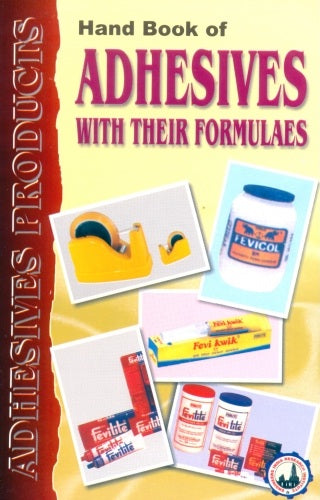
Hand Book Of Adhesives With Their Formulaes
Hand Book Of Adhesives With Their Formulaes
Couldn't load pickup availability
Hand Book of Adhesives with their Formulaes (Engineers India Research Institute, ISBN 9788186732342) is a formulation reference covering adhesive chemistries from synthetic rubber and structural resins through to natural glues and inorganic cements, organised so a formulator can locate a recipe by bonding task.
Foundation sections cover adhesion concepts and terminology including wetting, bond strength, fatigue life, creep, pot life, thixotropy, glass transition temperature and adhesive failure, with a selection chapter covering adhesives against other fastening systems, service conditions, a selection philosophy and worked examples. Technology sections cover hot melt adhesives with backbone polymers, joint design and troubleshooting; pressure sensitive adhesives across solvent, water based, hot melt and radiation cured systems; and water based latex adhesives.
Synthetic rubber sections give formulations by chemistry and application. Natural rubber content covers latex recipes, ceramic and floor tile adhesive, leather adhesive, automobile trim, food jar sealing compound, cork adhesive, tufted carpet adhesive, non-woven binder, surgical tape adhesive, industrial pressure sensitive tapes, vulcanising cement and road repair compound. Butyl and polyisobutylene content covers paper cement, polyethylene laminating cement, flocking adhesive, self curing and chlorobutyl cements, pressure sensitive adhesives for tape and vinyl floor tile, pipe wrap, architectural sealing and insulation tapes, and automotive and window sealants. Further chapters cover nitrile, styrene butadiene, thermoplastic rubber and polychloroprene adhesives, each with general purpose, laminating, spraying, pressure sensitive, heat resistant and structural grades.
Structural sections cover epoxy adhesives with curing agents and formulations for general purpose, flexible, one component, quick cure, powder, concrete, glass and metal bonding, plus polyurethane, acrylic, cyanoacrylate, anaerobic, polyamide and silicone adhesives and polysulphide sealants. Natural sections cover starch, dextrin, casein, soybean, gums, animal and fish glues, blood albumen, rosin, terpene, lignin, tannin and cellulose adhesives, with inorganic cements. Closing sections cover pressure sensitive tapes and labels, performance and test methods.
Frequently Asked Questions
What does the Hand Book of Adhesives with their Formulaes cover?
Hand Book of Adhesives with their Formulaes (EIRI, ISBN 9788186732342) covers adhesive formulation across the full range of chemistries in commercial use. Its main divisions are: adhesion concepts and terminology; adhesive selection method with worked examples; hot melt, pressure sensitive and water based adhesive technology; synthetic resin, phenolic, resorcinol formaldehyde, amino resin and polyvinyl acetate adhesives; natural, butyl, nitrile, styrene butadiene, thermoplastic and polychloroprene rubber adhesives; epoxy, polyurethane, acrylic, cyanoacrylate, anaerobic, polyamide and silicone adhesives; polysulphide sealants; starch, dextrin, casein, soybean, gum, animal, fish and blood albumen glues; rosin, terpene, lignin, tannin and cellulose adhesives; inorganic adhesives and cements; pressure sensitive tapes and labels; and adhesive test methods and standards.
Who is this adhesives handbook written for?
This handbook is written for readers who need a starting formulation for a specific bonding job. Its intended audience includes adhesive and sealant formulation chemists, technical staff in packaging, paper conversion, footwear, carpet, tape, furniture, automotive and construction product manufacture, production and quality control engineers, technical service personnel selecting an adhesive for a customer's substrate and process, students of polymer and surface chemistry, technical libraries, and entrepreneurs or consultants assessing an adhesive manufacturing venture.
Does the book include actual adhesive formulations?
Yes, and the formulary is the substance of the book. Formulations are grouped by base chemistry and then by the job the adhesive has to do, so a reader can locate a recipe by application rather than by polymer alone. Coverage runs to several hundred formulations spanning tile, floor, panel and flooring adhesives, leather and footwear cements, carpet backing and tufting compounds, box board, carton, case sealing and corrugated board adhesives, envelope and remoistenable gums, label and gummed label adhesives, tube winding adhesives, surgical and electrical tape adhesives, pressure sensitive adhesives for transparent, general purpose and removable label tapes, laminating adhesives for film, foil and paper, bookbinding glues, glass and metal bonding adhesives, sealants for concrete joints, windows and automotive use, and spreading, sprayable and heat resistant grades.
How does the book help in selecting an adhesive?
A dedicated chapter addresses selection as a discipline, which is unusual in a formulary and useful because most adhesive failures trace back to the wrong choice rather than a bad batch. Content covers adhesives against other fastening systems, the advantages of adhesive bonding, the interdependency of user and supplier, service conditions, descriptions of each primary adhesive type, a stated selection philosophy and worked selection examples. The terminology chapter supports this by defining the properties a specification will be written against, including bond strength, fatigue life, heat limitations, creep, expansion coefficients, pot life, viscosity, thixotropy, glass transition temperature, shelf life, sag resistance and the distinction between adhesive and cohesive failure. Hot melt and water based chapters add their own selection guidance, troubleshooting and a comparison of latex against solvent based systems.
What synthetic rubber adhesive formulations does the book give?
Rubber based adhesives receive the widest treatment in the book, covered chemistry by chemistry. Natural rubber content covers latex recipes, self adhesive envelopes, ceramic and floor tile adhesives, leather adhesive, automobile internal trim, food jar sealing compound, pure gum and cork adhesives, tufted carpet adhesive and vulcanising compositions, non-woven fabric binder, surgical tape adhesive, transparent and black general purpose tape adhesives, heat resistant grades, vulcanising cement, fabric combining for coated and double texture waterproof fabrics, asphalt dispersions, road repair compound and PVC primer. Butyl and polyisobutylene content covers paper cement, laminating cement for polyethylene film, flocking adhesive, self curing and chlorobutyl high strength cements, pressure sensitive adhesives for transparent tape, general purpose tape and vinyl floor tile, surgical tape solvent adhesive, pipe wrap, architectural sealing and electrical insulation tapes, solvent release and automotive sealants, insulated window sealants and wax blend hot melts. Nitrile content covers spraying, black and non-black curing, laminating, leather to vinyl, low temperature curing, film to metal, textile pile, splice, high tack and structural grades. Styrene butadiene content covers pressure sensitive, PVC tape, box board, sprayable, tyre tread and cord, panel and flooring, sealant, automotive putty, heat resistant, laminating, carpet, packaging and fabric adhesives. Thermoplastic rubber and polychloroprene content covers hot melt and contact assembly adhesives, heat activated grades, mastics, sprayable contact adhesives, concrete joint sealant, carpet backing binder and latex contact adhesives.
What natural and bio-based adhesive formulations does the book include?
Natural adhesives are covered more fully here than in most references, which matters for anyone formulating from renewable or low cost raw materials. Starch content covers commercial starches with formulations for paper to glass, office use, wallpaper paste, dilute adhesive and corrugated board, plus acid modified or thin boiling starch with water resistant seam gums, library paste and lay flat laminating adhesive. Dextrin content covers manufacture and formulations for quick setting wrapper sealing, concentrated adhesives for coloured papers, library paste, tube winding, paper to glass, kraft envelope gum, remoistenable front seal gum, case sealing, multiwall seam gum, gummed label adhesive, corrugated board adhesive and aluminium sheet bonding. Protein content covers casein glues with an emulsion type formula, soybean adhesives, animal glues with bookbinding, paper box, can label, water resistant and woodworking grades, fish glues including a waterproof formulation, and blood albumen glues. Gum content covers arabic, ghatti, karaya, tragacanth and guar. Further natural content covers rosin adhesives across pressure sensitive, sprayable, laminating, cellophane, glass, flooring, fly paper, laboratory and cutlery cements, plus terpene resin, lignin, tannin and cellulose adhesives.
What structural and specialty adhesive content does the book include?
Structural and reactive systems are covered with manufacture, curing and formulations. Epoxy content covers manufacture, commercial curing agents and formulations for general purpose, flexible, one component and quick cure adhesives, metal to metal sealant, phenolic epoxy and plain tape adhesives, high peel strength nylon epoxy, powder adhesives, concrete, glass and metal to glass adhesives and sealing putty. Further specialty content covers polyurethane adhesives including textile grades, acrylic adhesives with manufacture, product properties and formulations, cyanoacrylate adhesives with properties, manufacture and application, anaerobic adhesives with properties and formulation, polyamide adhesives and silicone adhesives. Sealant content covers polysulphide construction and heat resistant sealants with accelerator pastes. Synthetic resin content covers phenolic, vinyl phenolic and epoxy phenolic adhesives, resorcinol formaldehyde, amino resins including waterproof melamine adhesive, and polyvinyl acetate homopolymer and copolymer emulsions with monomer selection and application formulations, plus ethylene vinyl acetate emulsion and hot melt formulations for bookbinding, carton and case sealing, shoemaking and pressure sensitive use.
What test methods and standards does the book cover?
Testing is covered as its own section, which lets a formulator check a new batch against the parameters a customer will specify. Property tests covered include consistency and viscosity, storage life, working life, coverage, blocking, tack, penetration and curing rate. Strength tests covered include tensile, shear, peel, impact, cleavage, creep, fatigue and flexural loading shear strength, with a summary table of strength properties and their tests, alongside joint tests and non-destructive testing. Durability content covers permanence of bond, chemical factors, service life, biological stability, radiation, durability, temperature resistance, weathering and chemical resistance testing with visual inspection. The adhesives technology chapters add their own test methods for pressure sensitive systems and characterisation methods for latex adhesives.
Share